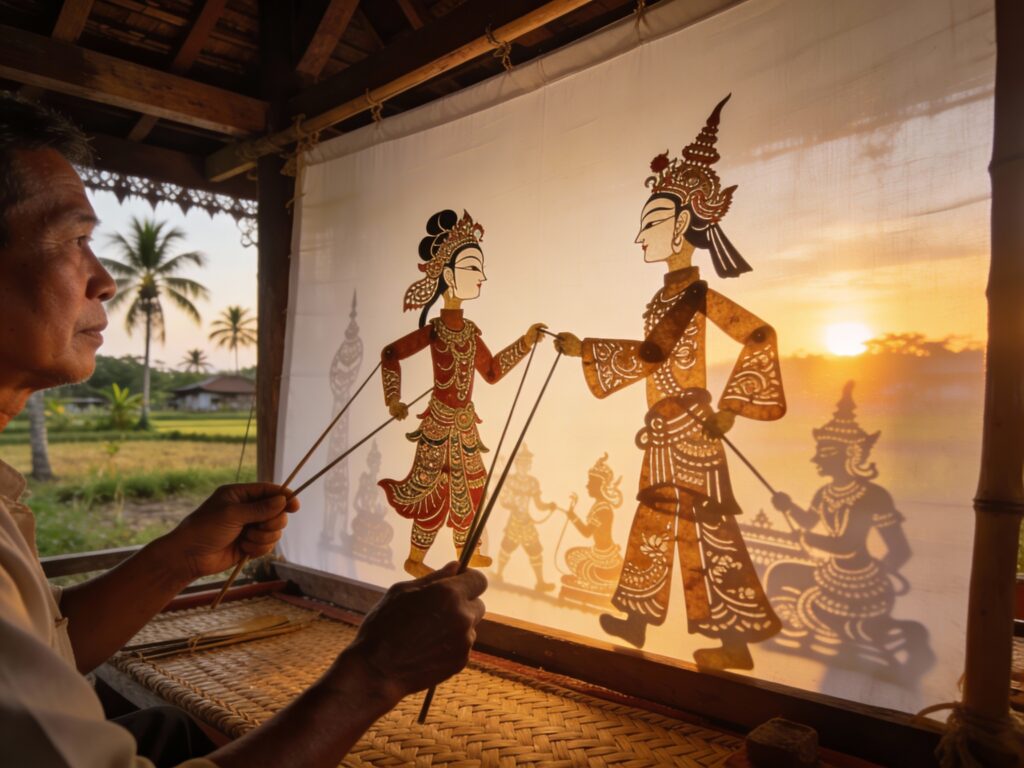
Phatthalung’s Shadow Serenade: Unmasking Ancient Puppetry Traditions in Thailand’s Nang Talung Heartland
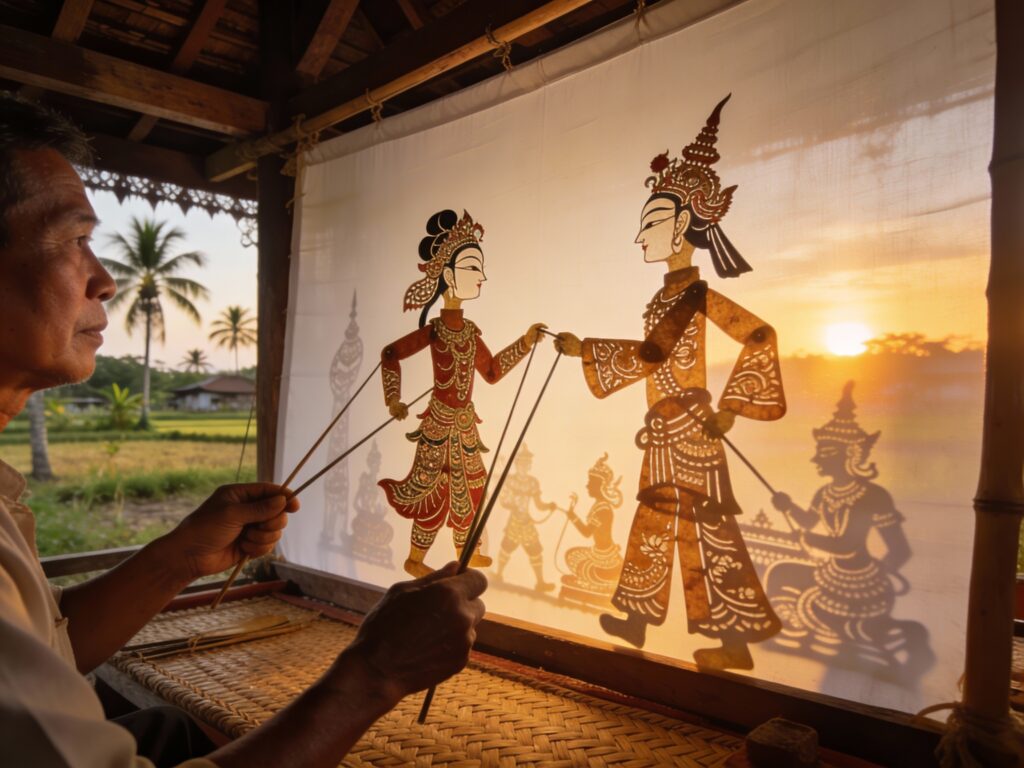
As dusk settles over the rice paddies and limestone karsts of Phatthalung, a unique magic begins to stir. This serene province in Southern Thailand, often bypassed by the typical tourist trail, guards a captivating secret: it’s the undisputed heartland of Nang Talung, Thailand’s ancient art of shadow puppetry. More than just a performance, it’s a vibrant tapestry woven from myth, music, satire, and masterful craftsmanship, offering an unforgettable journey into Thai cultural heritage.
The Stage is Set: Where Shadows Come Alive
Imagine a simple white screen illuminated from behind. The air hums with anticipation, punctuated by the rhythmic clatter of wooden clappers. Suddenly, intricately carved figures appear, their silhouettes dancing across the screen – heroes, villains, celestial beings, and mischievous monkeys, all manipulated by the deft hands of the Nai Nang (puppet master). This is Nang Talung, a tradition believed to have roots stretching back centuries, possibly influenced by similar forms from India or Indonesia, but uniquely Thai in its evolution.
Unmasking the Craft: From Hide to Hero
The soul of Nang Talung lies in the puppets themselves. Traditionally crafted from painstakingly prepared buffalo or cow hide, these are not mere silhouettes but exquisite works of art:
- Intricate Carving: Artists use fine chisels to pierce the leather, creating delicate patterns that allow light to filter through, giving the puppets texture and detail – the lace-like effect of a princess’s dress, the scales of a mythical naga.
- Movable Parts: Key joints (elbows, knees, sometimes jaws) are articulated using split bamboo or string, allowing the Nai Nang to create remarkably lifelike movements – battles, dances, and comedic gestures.
- Character Archetypes: From the noble hero (Phra) and beautiful heroine (Nang) to the lumbering giant (Yak) and the ever-popular, comically vulgar clown (Tod), each puppet belongs to a recognizable type, instantly familiar to the audience.
Beyond the Screen: The Nai Nang’s Symphony
The Nai Nang is far more than a puppeteer; they are the conductor, narrator, comedian, and social commentator rolled into one. Sitting behind the screen, they manipulate multiple puppets simultaneously, often using rods attached to the puppets’ main bodies and limbs. But the performance is multi-sensory:
- Voices & Sound: The Nai Nang provides all the character voices, shifting seamlessly from deep growls to high-pitched pleas. Their vocal range and comedic timing are paramount.
- Musical Accompaniment: A small ensemble, typically including pi (oboe-like reed instrument), klong (drums), and ching (cymbals), provides a dynamic soundtrack, heightening drama, signaling entrances, and punctuating jokes.
- Improvisation & Satire: While drawing from classic tales like the Ramakien (Thai Ramayana) or local legends, the Nai Nang is renowned for witty improvisation. They weave in contemporary events, poke fun at local figures (safely behind the anonymity of the puppet), and interact directly with the audience, creating a lively, participatory atmosphere. The clown character, Tod, is often the vehicle for this sharp, earthy humor.
Phatthalung: Keeping the Flame Alive
While Nang Talung can be found elsewhere in Southern Thailand, Phatthalung is its spiritual and practical center. Here, the tradition runs deep:
- Living Masters: Renowned Nai Nang masters and skilled puppet carvers still reside and work here, passing their knowledge to younger generations.
- Cultural Centers & Workshops: Places like the Phatthalung Cultural Centre and dedicated workshops in villages (Ban Khao Chaison is particularly noted) offer demonstrations, exhibits on puppet-making, and opportunities to see masters at work. Some even offer hands-on carving workshops.
- Local Performances: Seek out performances at local temples (wats) during festivals, ordinations, or temple fairs. These are often the most authentic experiences, deeply embedded in community life.
Experiencing the Shadow Serenade
To truly appreciate Nang Talung in Phatthalung:
- Visit the Cultural Centre: Start here for a comprehensive overview of the history, craftsmanship, and significance.
- Seek Out a Workshop: Watching an artisan transform a piece of hide into a detailed puppet is mesmerizing. Some places allow visitors to try basic carving.
- Attend a Live Performance: This is essential. Don’t worry if you don’t understand every word; the visual spectacle, music, audience reactions, and physical comedy transcend language. Look for performances advertised locally, especially during weekends or festivals.
- Respect the Tradition: Engage quietly during performances. Ask permission before taking photos (flash is usually prohibited as it disrupts the shadows). Support local artisans by purchasing ethically made puppets or souvenirs.
A Legacy Cast in Light
Phatthalung’s Nang Talung is more than entertainment; it’s a vibrant thread connecting past and present. It reflects Thai values, folklore, humor, and social dynamics in a uniquely accessible way. In the flickering shadows dancing across the screen, you witness not just a story, but the living, breathing soul of Southern Thai culture. To experience this ancient serenade in its heartland is to unmask a profound and captivating artistic tradition that continues to enchant and endure.