**Lampang’s Dawn Hooves: Clattering Through the Morning Mist on Thailand’s Last Horse Carriage Avenue**
The Gentle Rhythm of a Bygone Era
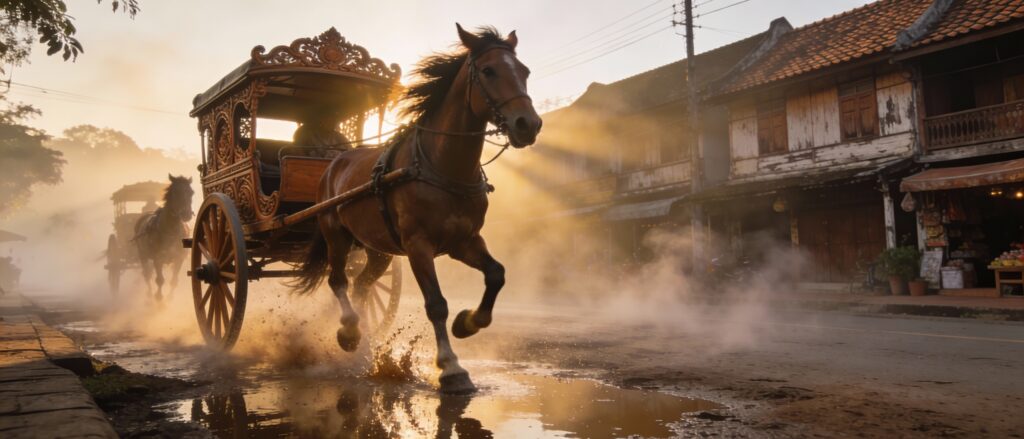
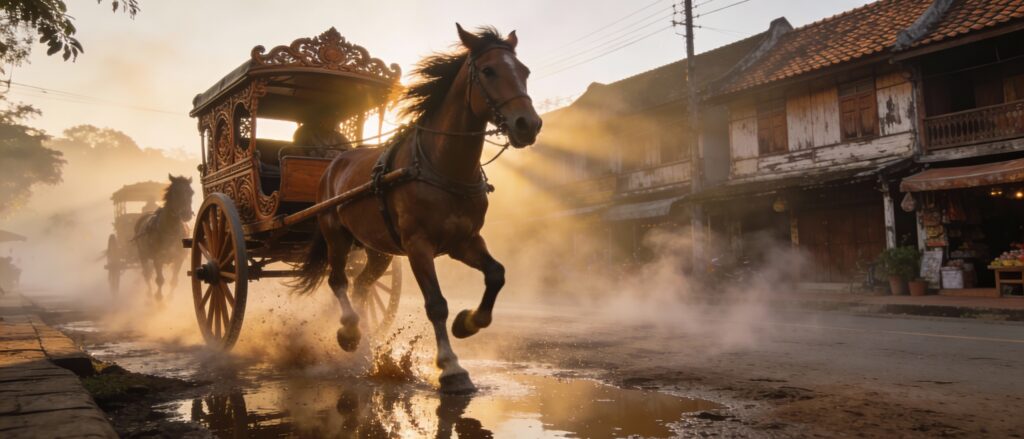
As dawn breaks over Lampang, a soft symphony of hooves on cobblestone cuts through the morning mist. This isn’t a scene from a period film—it’s everyday magic in Northern Thailand, where Lampang proudly hosts the country’s last operating horse-drawn carriage avenue. Known locally as “Rot Ma,” these elegant Victorian-style carriages have trotted through the city’s veins for over a century, transforming routine commutes into nostalgic journeys.
Hooves on History: Why Lampang?
Lampang’s equestrian legacy traces back to the teak logging boom of the late 1800s. British and Burmese timber barons imported carriages for transport, and when railroads replaced industrial needs, the people of Lampang refused to let tradition fade. Today, these carriages—adorning intricate woodwork and vibrant hand-painted motifs—serve as moving monuments to the city’s multicultural past. Unlike tourist gimmicks elsewhere, Rot Ma remains integral to local life, ferrying students to school and monks on alms rounds.
A Dawn Ride Through Mist and Memory
Experiencing Lampang at daybreak by carriage is transformative. As cool mist swirls around ancient teak houses and golden temples, the rhythmic clip-clop creates a meditative soundtrack. Key highlights include:
- Wat Phra Kaew Don Tao: Glide past this 15th-century temple where the Emerald Buddha once resided, watching saffron-robed monks emerge in the pearly light.
- Baan Sao Nak: Marvel at the “House of Many Pillars,” a century-old teak mansion glowing amber in the sunrise.
- The Ceramic Quarter: Witness kilns puffing to life at Thailand’s oldest pottery factories, their dragon-roofed chimneys silhouetted against the sky.
- Nakorn Khelang Bridge: Cross the Wang River as mist dances on the water, with carriage bells echoing under the iron framework.
Drivers—often third-generation carriage operators—share tales in melodic Northern Thai, pointing out hidden shrines and neighborhoods where time stands still.
Preservation on the Precipice
Maintaining this heritage isn’t without challenges. With fewer than 50 licensed carriages operating (down from hundreds in the 1950s), Lampang faces modern pressures. Rising costs, animal welfare concerns, and younger generations seeking faster transport threaten the tradition. Yet passionate locals fight back through initiatives like:
- The Rot Ma Conservation Club, training new drivers and veterinarians.
- Eco-friendly adjustments: Solar-powered carriage lights and scheduled rest days for horses.
- Cultural festivals: Annual parades where carriages don floral garlands and traditional Lanna costumes.
Your ride directly supports these efforts—fares fund horse care and restoration of vintage carriages displayed at the Lampang Horse Cart Museum.
Riding Responsibly: A Traveler’s Guide
To savor Rot Ma authentically:
- Timing is everything: Arrive by 6:00 AM for the coolest temperatures and most atmospheric mist. Routes start near the city’s iconic chicken statue (Sao Roong Yaeng).
- Fair fares: Negotiate prices upfront (typically 200-400 THB for 30-60 mins). Longer journeys to sites like the Elephant Conservation Center cost more.
- Ethical engagement: Choose drivers with healthy, well-groomed horses. Avoid midday heat; horses rest between 11:00 AM–3:00 PM.
- Beyond the carriage: Pair your ride with Lampang’s famed street food—try khao soi (curry noodles) at Pa Lek or smoky sai oua sausage at Kad Kong Ta night market.
As you disembark, the sun now warm on your skin, you’ll carry more than photos. You’ll hold the memory of hooves connecting past to present—a testament to Lampang’s resolve to keep its soul clattering forward, one dawn at a time.