Ratchaburi’s Dawn Drum Rituals: Crafting Sacred Skins in Ban Krathum’s Artisan Alley
Before the Sun Rises: The Sacred Rhythm of Ban Krathum
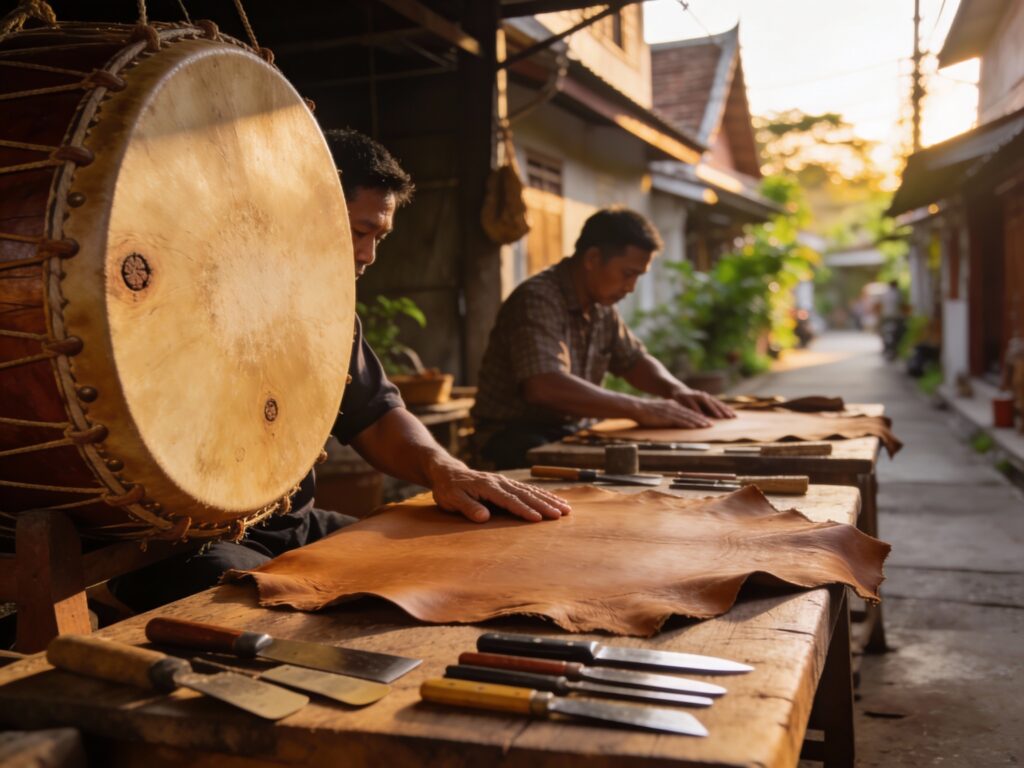
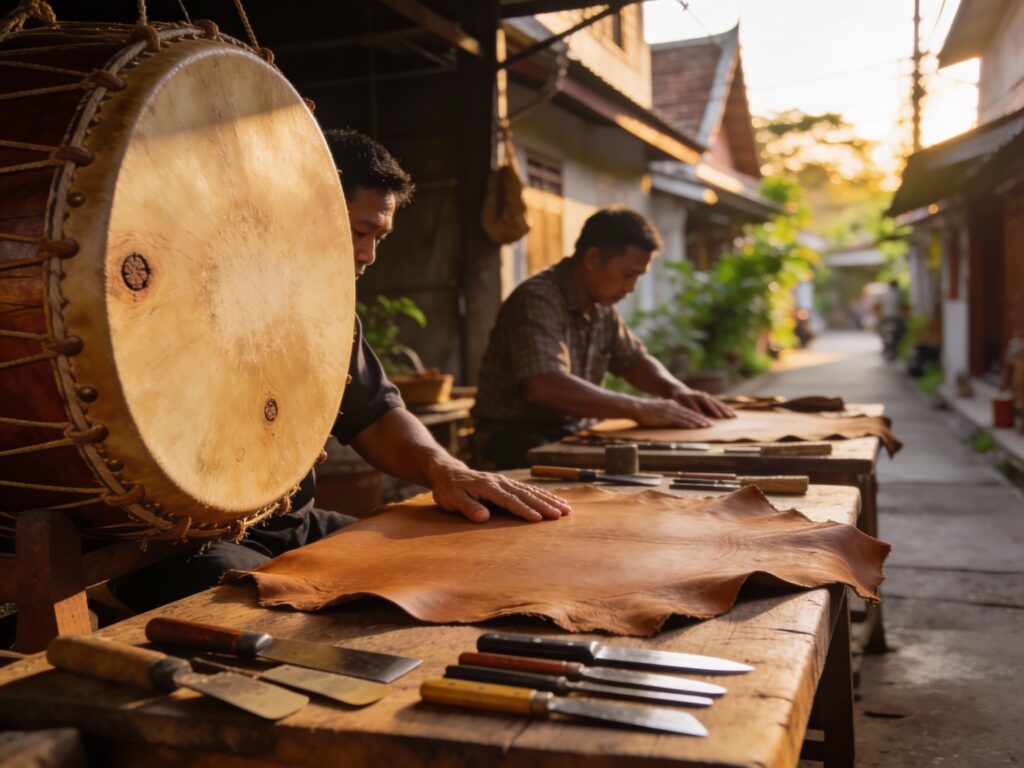
While most of Thailand still slumbers, in a quiet corner of Ratchaburi province, an ancient ritual unfolds. Ban Krathum, a village often overshadowed by its more famous neighbour Damnoen Saduak, holds a secret woven into the very fabric of its dawn: the sacred art of crafting traditional drums. This isn’t just manufacturing; it’s a spiritual practice, a communion with tradition passed down through generations, performed under the cloak of pre-dawn darkness.
The Pulse of Tradition: Why Dawn Matters
The pre-dawn hours in Ban Krathum aren’t chosen for convenience, but for reverence. Master artisans believe this liminal time – the transition between night and day – possesses a unique spiritual purity. The air is cooler, calmer, free from the distractions of the bustling day. It’s believed the sacred energy (barami) needed to infuse the drums with their power is most potent then. Working before sunrise connects the craftsmen directly to the ancestral spirits and the natural world, ensuring the drums they create carry not just sound, but soul.
Crafting the Sacred Skin: More Than Just Hide
The heart of these drums lies in their skin, traditionally sourced from water buffalo. But this isn’t simple tanning. The process is steeped in ritual:
- Selection & Blessing: The hide is carefully chosen and cleansed. Before any cutting begins, offerings are made and blessings sought from guardian spirits for a successful and spiritually resonant creation.
- Purification in Darkness: The meticulous scraping, cleaning, and stretching of the hide is performed in the quiet of the pre-dawn. Each stroke is deliberate, almost meditative, performed with respect for the animal and the purpose the skin will serve.
- Infusing Spirit: As the artisans work by lamplight, chants or silent prayers often accompany the rhythmic scraping. This is the crucial phase where intention and spirit are woven into the material.
- Meeting the Frame: The prepared skin, now imbued with sacred energy, is stretched taut over a carefully carved wooden frame (often from the Jackfruit tree), traditionally secured with rattan. This union of elements – earth (wood), water (buffalo), and spirit (intention) – creates the instrument.
Ban Krathum’s Artisan Alley: Where the Magic Happens
Wandering the narrow lanes of Ban Krathum, known locally as its “Artisan Alley,” after dawn reveals the evidence of the night’s work. Skins dry in the morning sun, frames await their covers, and partially finished drums rest. While the most sacred preparation occurs pre-dawn, visiting during the day offers a tangible connection:
- Witnessing the Craft: See artisans completing drums, carving frames, or applying finishes. Observe the incredible skill and patience involved.
- Hearing the Heritage: Often, craftsmen will gently tap a finished drum, letting you experience the deep, resonant tone – the culmination of the dawn ritual.
- Meeting the Masters: Engage with the artisans (often through a guide or translator). Hear firsthand stories of their lineage, the significance of the rituals, and the challenges of preserving this art.
Beyond the Beat: The Significance of Sacred Drums
These drums aren’t mere musical instruments. They are sacred objects integral to Thai Buddhist and animist traditions. They call monks to prayer in temples, mark significant ceremonies, drive away malevolent spirits in rituals, and provide the heartbeat for classical Thai music and dance. A drum crafted in Ban Krathum, especially one blessed through the dawn ritual, is believed to carry a unique power and longevity.
Experiencing the Essence: A Traveler’s Note
To truly grasp the magic of Ban Krathum’s dawn drums, respect is paramount. While witnessing the *full* dawn ritual is typically reserved for initiates or family members (due to its sacred nature), the atmosphere and results are deeply felt during the day.
Plan your visit: Arrive early morning (around 7-9 am) to catch artisans at work post-ritual. Consider hiring a local Ratchaburi guide who understands the cultural nuances and can facilitate respectful interactions. Purchase a small drum directly from the workshops – you’re not just buying a souvenir, you’re supporting the survival of an ancient, spiritually-charged craft.
Standing in Ban Krathum, holding a drum whose skin was blessed before sunrise, you hold more than wood and hide. You hold the echo of whispered prayers, the rhythm of tradition, and the enduring heartbeat of Ratchaburi’s sacred artistry. It’s a profound encounter with Thailand’s living cultural soul.