**Ubon Ratchathani’s Rock Art Odyssey: Trekking Pha Taem’s Ancient Canvases**
Unveiling Millennia: The Pha Taem Rock Art Experience
Forget dusty museums for a moment. In Thailand’s northeastern province of Ubon Ratchathani, history isn’t locked behind glass – it’s dramatically splashed across colossal cliff faces, waiting to be discovered on an unforgettable trek. Welcome to Pha Taem National Park, home to one of Southeast Asia’s most significant collections of prehistoric rock art, an open-air gallery whispering secrets from 3,000 to 4,000 years ago.
A Canvas Carved by Time
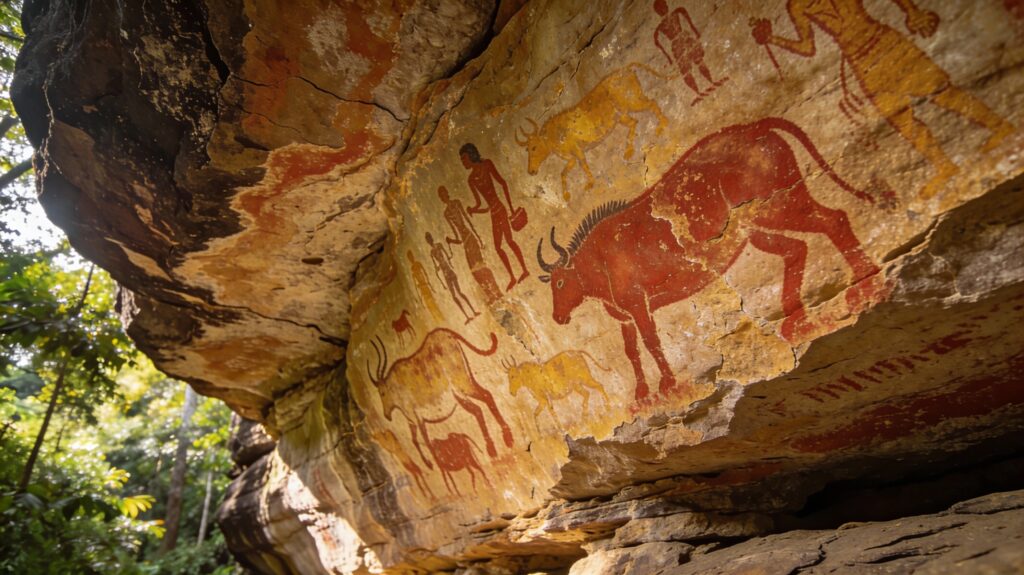
Perched dramatically on cliffs overlooking the meandering Mekong River and the plains of Laos beyond, the sandstone canvases of Pha Taem (meaning “Cliff of Flags”) showcase over 300 distinct paintings. Created using natural pigments of red and ochre – iron oxide mixed with animal fat or tree sap, archaeologists believe – these ancient artworks offer a mesmerizing glimpse into the lives and beliefs of the people who inhabited this region millennia ago.
Imagine standing where they stood, gazing out at the same river, perhaps under the same blazing sun, as they depicted their world:
- Iconic Fauna: Towering figures of Pla Buk (Mekong Giant Catfish), elephants, deer, turtles, and barking deer dominate many panels. These weren’t just pictures; they likely held deep symbolic meaning, perhaps related to hunting rituals, fertility, or spiritual connections to the animal world.
- Human Forms & Rituals: Stylized human figures, often in dynamic postures – dancing, arms raised, sometimes holding tools or weapons. Scenes suggesting communal activities or ceremonies provide tantalizing clues about social structures.
- Geometric Patterns & Handprints: Spirals, grids, concentric circles, and the hauntingly personal imprints of ancient hands adorn the rock. The meaning of these abstract forms remains debated, adding to the site’s enigmatic allure.
The Trek: Where Adventure Meets Archaeology
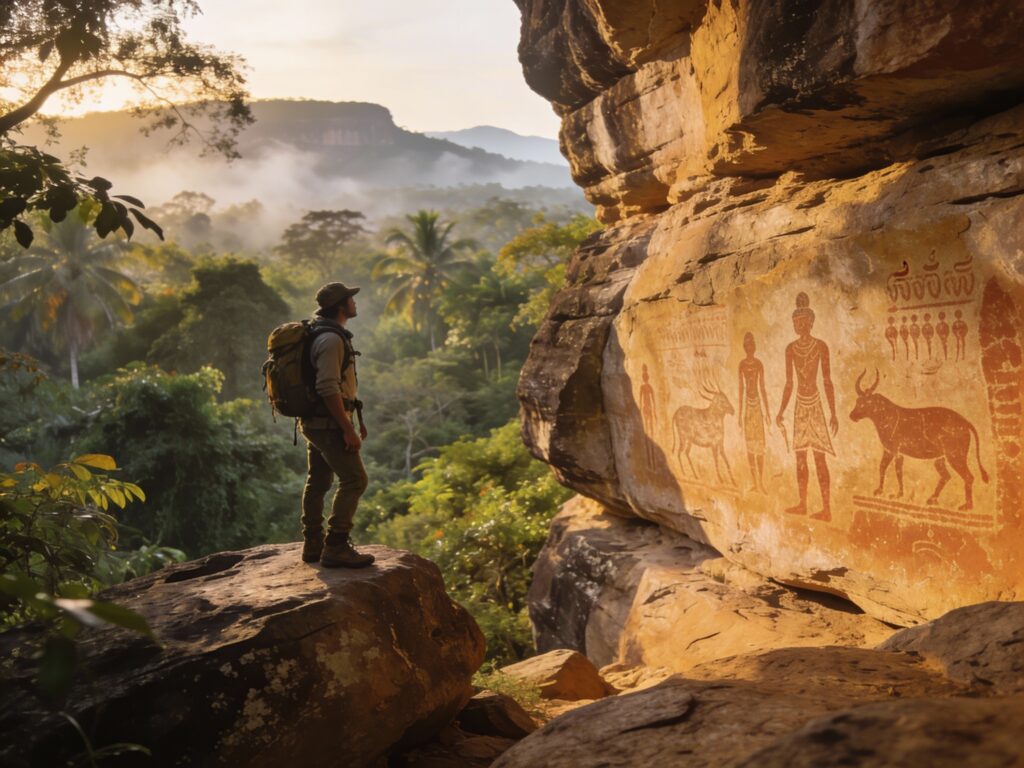
Visiting Pha Taem isn’t a passive viewing experience; it’s an engaging odyssey. Reaching the main rock art sites involves a series of well-maintained trails winding through dry dipterocarp forest, across rocky outcrops, and along the cliff edge itself.
- The Trails: Several interconnected trails lead to different clusters of paintings (like Pha Kham, Pha Mon, Pha Thoet). The walking is generally moderate, but involves some uneven terrain, steps, and exposed sections near the cliffs. Sturdy footwear and plenty of water are essential.
- Guided Insights: While you can explore independently, hiring a park ranger or local guide at the visitor center is highly recommended. Their knowledge brings the static images to life, explaining theories about the paintings’ meanings, pointing out subtle details you might miss, and sharing local lore. They also ensure you respect the fragile sites.
- The Journey is the Destination: The trek itself is part of the magic. The scent of the forest, the calls of birds, the panoramic views unfolding as you walk, and the sheer anticipation of discovering each new panel create a profound sense of connection to the landscape and its ancient inhabitants.
Beyond the Paintings: Panoramic Vistas & Natural Wonders
Pha Taem offers more than just ancient art. The cliff-top location provides some of Thailand’s most breathtaking viewpoints:
- Sao Chaliang: These otherworldly, mushroom-shaped rock formations near the visitor center are fascinating geological formations and offer stunning sunrise views over the Mekong and Laos, especially popular during the cool season.
- Cliff-Top Vistas: Numerous viewpoints along the trails offer sweeping panoramas of the Mekong River valley. The sight of the river snaking through the landscape, especially at dawn or dusk, is truly unforgettable.
- Seasonal Blooms: If you visit during late winter/early spring (roughly January-February), the park’s slopes erupt in a vibrant display of Dok Krachiao (Siam Tulips), painting the landscape in shades of pink and purple – a stunning contrast to the ancient red ochre art.
Planning Your Rock Art Odyssey
To make the most of your journey into deep time at Pha Taem, keep these tips in mind:
- Best Time to Visit: The cool season (November to February) offers the most comfortable temperatures for trekking. Early mornings are ideal to avoid the midday heat and catch potential mist over the Mekong. Sunrise visits are spectacular.
- Getting There: Pha Taem National Park is about 90 km northeast of Ubon Ratchathani city. Renting a car or motorbike offers flexibility. Organized tours from Ubon are also readily available.
- Essentials: Bring ample water (1.5L+ per person), strong sun protection (hat, sunglasses, high-SPF sunscreen), insect repellent, sturdy walking shoes, and a camera. A small flashlight can help illuminate shaded paintings.
- Respect the Site: This is an irreplaceable cultural heritage treasure. Never touch the paintings, stay on designated paths, and take all rubbish with you.
- Fitness Level: While not extreme, the trek involves walking several kilometers on uneven ground with some inclines/declines. A basic level of fitness is required.
Trekking through Pha Taem National Park isn’t just a hike; it’s a pilgrimage into prehistory. It’s the thrill of discovery, the humbling perspective of deep time, and the profound sense of connection you feel standing before images created by hands thousands of years distant. It’s an odyssey that etches itself not just on the cliffs, but on your memory – a true highlight of Isan and a must for any traveler seeking the soul of ancient Thailand.