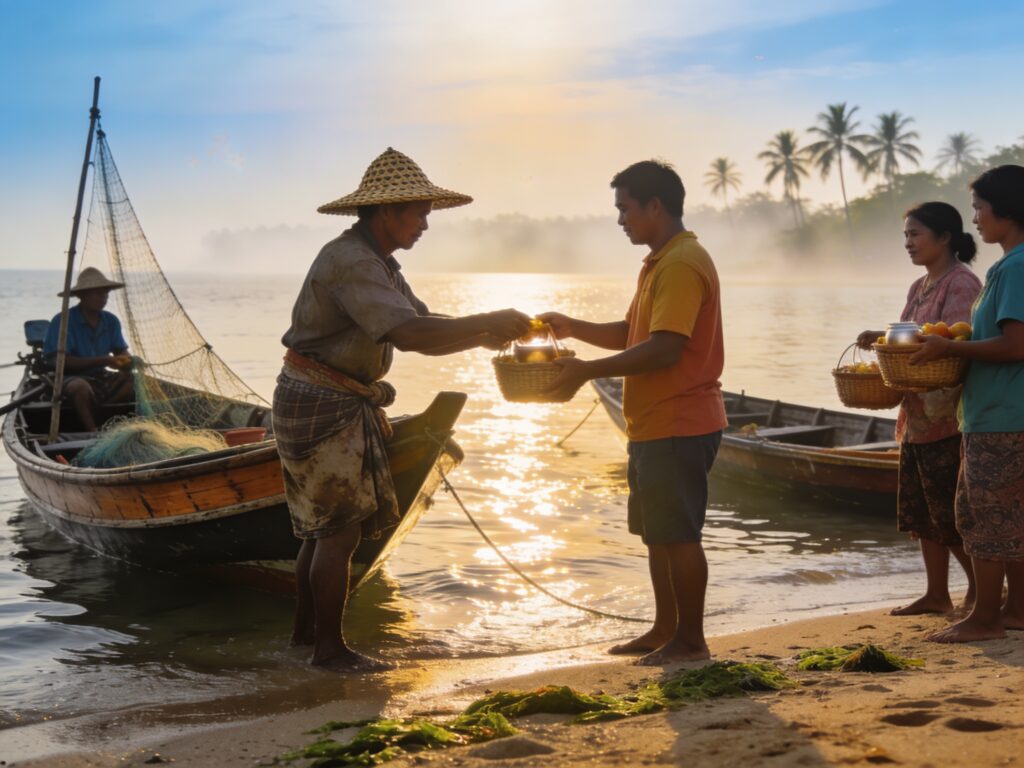
Rayong’s Floating Faith: Offering Alms to Sea Nomad Fishermen at Daybreak on a Shimmering Shoreline
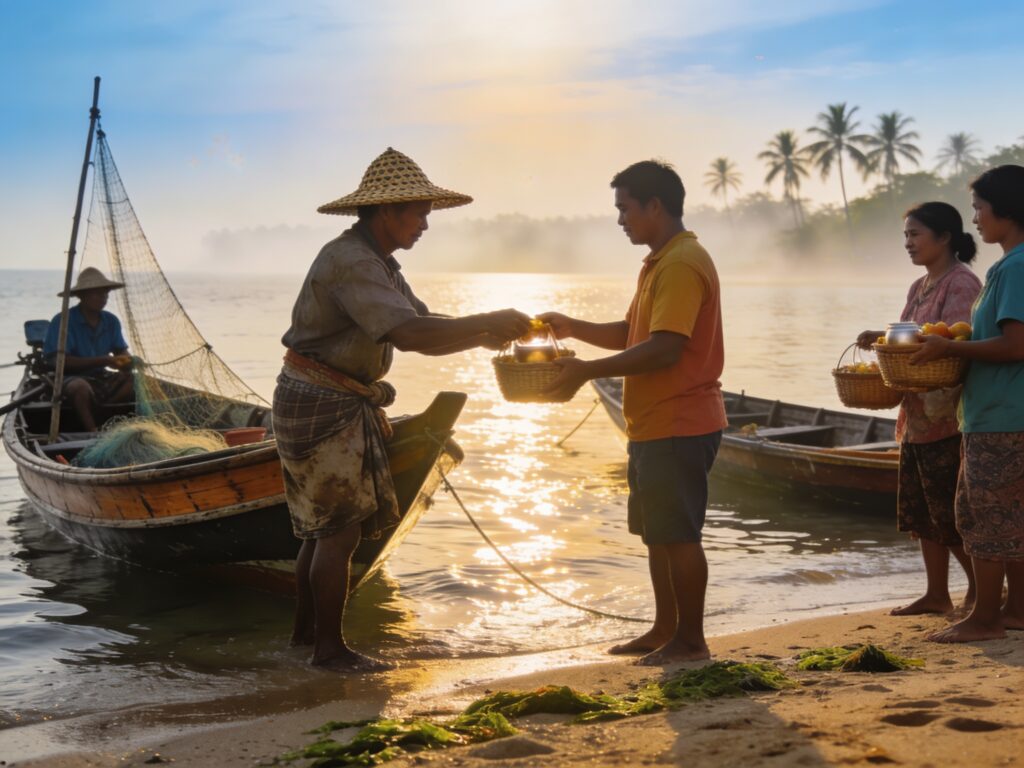
The Whispering Dawn: Offering Alms on Rayong’s Golden Shores
As the first blush of dawn paints the sky in hues of apricot and lavender, a profound and ancient ritual unfolds along Rayong’s tranquil shores. This isn’t just sunrise; it’s a sacred meeting point between land and sea, faith and sustenance, embodied in the beautiful tradition of offering alms to the sea nomad fishermen – the Chao Leh or Moken. Witnessing and participating in Tak Bat Thale (Offering Alms to the Sea) is a soul-stirring immersion into the heart of Thai coastal spirituality.
Beyond the Beach: The Chao Leh and their Sacred Sea
Rayong, often famed for its industrial zones or nearby islands like Koh Samet, holds a deeper secret: its connection to the indigenous sea nomad communities. The Chao Leh, meaning “People of the Sea,” have navigated the waters of the Andaman Sea and Gulf of Thailand for centuries. Their lives are intrinsically woven with the ocean’s rhythms, relying on its bounty and respecting its power. For them, the sea isn’t just a resource; it’s home, provider, and deity.
The practice of Tak Bat Thale stems from this profound relationship. It’s a gesture of gratitude, a plea for safety and abundance, and a vital act of merit-making (tam bun). Locals and visitors alike gather at dawn to present offerings, not to monks in saffron robes, but to the fishermen setting out in their humble boats – the intermediaries between the land-dwellers and the spirit of the sea.
A Ritual Bathed in Golden Light: Experiencing Tak Bat Thale
Imagine this:
- Predawn Arrival: You arrive at the beach while stars still linger. The air is cool, the sand soft underfoot, the only sound the gentle shush of waves. Lanterns or the faint glow from seaside homes provide the only light.
- Preparing the Offerings: Simple yet meaningful items are prepared: sticky rice, fresh fruit, packaged snacks, bottled water, sometimes even basic medicines or small necessities. These are placed in woven baskets or simple containers.
- The Approach of the Boats: As the sky lightens, silhouettes of small fishing boats appear, gliding silently towards the shore. The fishermen, often barefoot and clad in simple work clothes, wade through the shallow, shimmering water.
- The Silent Exchange: With hands pressed together in a respectful wai, participants step into the shallows. There’s minimal speaking, only the soft murmur of prayers. You carefully place your offerings into the fishermen’s baskets or directly into their hands. They accept with quiet dignity, offering blessings for safety and good fortune in return.
- The Departure: Laden with the offerings – symbols of the community’s faith and support – the fishermen return to their boats. As they push back out to sea, the first rays of sun ignite the water, turning the surface into liquid gold. It’s a moment of breathtaking beauty and deep serenity.
More Than Charity: The Essence of the Ritual
This act transcends simple charity. It’s a powerful expression of interconnectedness:
- Faith in the Sea: The offerings appease the sea spirits (Chao Mae Thapthim or other local deities), seeking protection for the fishermen and ensuring a plentiful catch.
- Support for the Community: It provides tangible support to the often-marginalized Chao Leh communities, supplementing their livelihood.
- Cultural Preservation: Participating helps sustain this unique cultural tradition, fostering understanding between different ways of life.
Making Merit: For Buddhists and participants, giving to those who directly depend on the sea’s mercy is considered highly meritorious, accumulating good karma.
Where and How to Experience This Rayong Ritual
While less commercialized than similar practices further south, Tak Bat Thale occurs at several beaches in Rayong, particularly where local Chao Leh communities are active. Laem Mae Phim and Hat Sai Thong (Golden Sand Beach) are known spots. The ritual happens daily, dawn being the most potent and picturesque time.
Tips for Respectful Participation:
- Arrive Early: Aim to be on the beach by 5:30 AM to witness the full unfolding.
- Dress Modestly: While on the beach, respectful clothing is appreciated. Be prepared to wade in shallow water (shorts or a sarong are practical).
- Prepare Offerings: You can buy pre-prepared alms baskets (sai pao) from vendors near the beach the day before, or assemble your own simple, practical items. Avoid overly elaborate or perishable food.
- Observe Quietly: Maintain a peaceful demeanor. Speak softly if necessary. This is a spiritual moment.
- Photograph Mindfully: Ask permission before taking close-up photos of the fishermen. Focus on capturing the atmosphere rather than intrusive shots. Turn off your flash.
- Wade Carefully: Be mindful of slippery rocks or uneven sand beneath the water.
A Dawn That Stays With You
Offering alms to the sea nomad fishermen on Rayong’s shoreline is more than a cultural checkbox; it’s a deeply moving encounter. It connects you to an ancient way of life, to the raw power and beauty of the sea at dawn, and to the profound Thai belief in making merit through generosity. As the boats disappear into the glittering horizon, carrying your humble offerings and the collective prayers of the shore, you’re left with a sense of peace and connection that lingers long after the sun has fully risen. It’s Rayong’s hidden spiritual heartbeat, experienced one shimmering dawn at a time.