**Topic Title:** Trang’s Peranakan Pantry: Unwrapping Heritage Secrets with Morning Market Alchemists in the Old Town Spice Lanes
Beyond the Beaten Path: Dawn’s Light on Trang’s Peranakan Soul
Forget the well-trodden tourist circuits for a moment. Deep in Thailand’s south, where the air hums with the promise of rain and the scent of the Andaman Sea lingers, lies Trang – a province often bypassed, yet guarding a culinary secret as rich and complex as its history. Here, woven into the very fabric of the Old Town’s waking hours, lies a living testament to the Peranakan legacy: the morning markets, where heritage isn’t just remembered, it’s simmered, pounded, and lovingly unwrapped every single day.
The Alchemists of the Spice Lanes Awaken
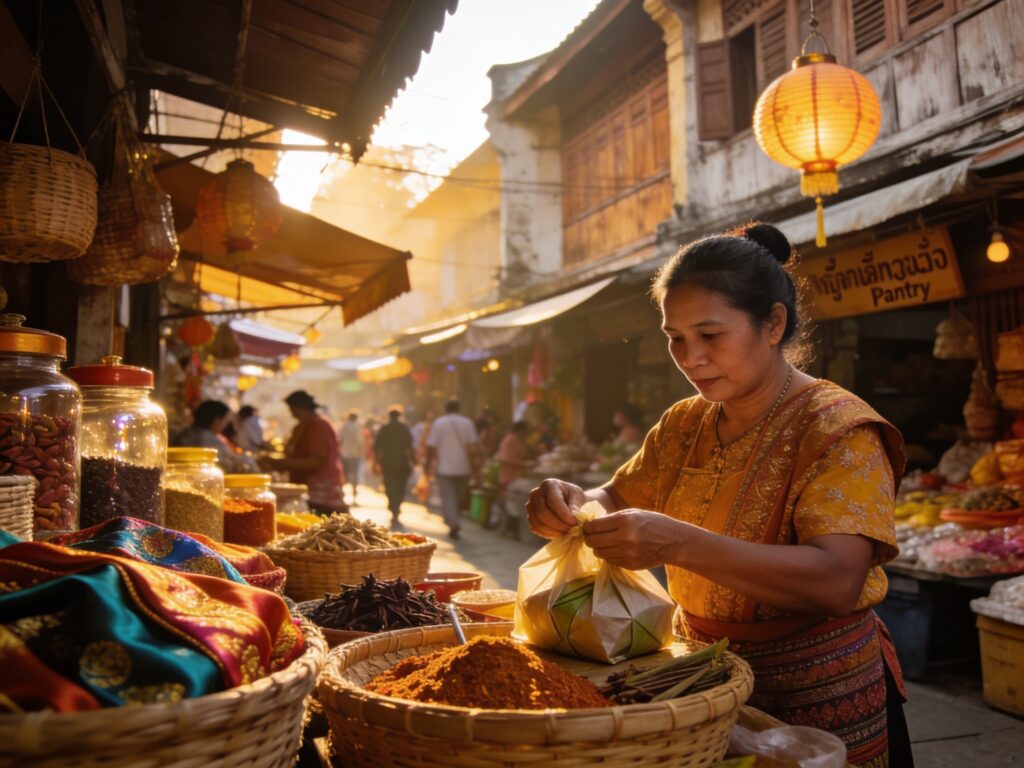
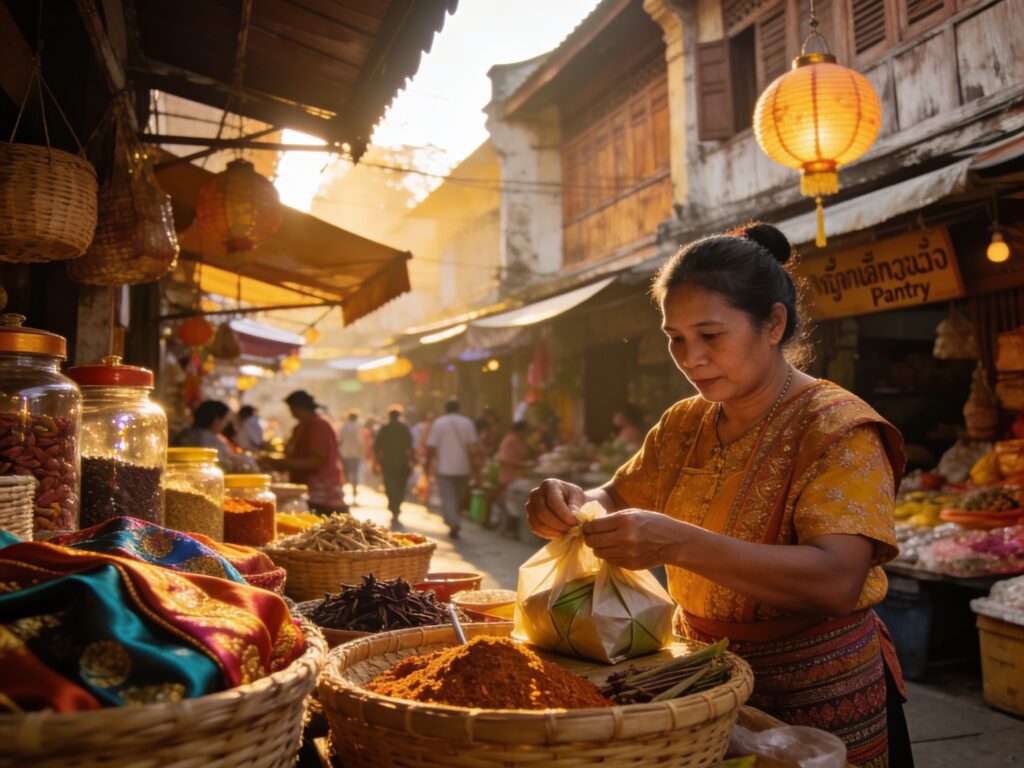
Arrive before the sun fully crests the horizon. As the first rays paint the faded Sino-Portuguese shophouses in gold, the narrow lanes radiating from Trang’s clocktower begin to stir. This isn’t just a market; it’s a stage where the guardians of Peranakan (locally often called “Baba-Nyonya”) culinary tradition perform their daily alchemy. These are the ‘Morning Market Alchemists’ – predominantly women, often grandmothers and aunties, whose hands move with practised grace, knowledge passed down through generations whispering in their every gesture.
Steam billows from towering bamboo baskets, releasing the comforting aroma of sticky rice. The rhythmic thud of pestles against granite mortars echoes off the old walls – the unmistakable sound of rempah being born. This fragrant spice paste, the very soul of Peranakan cooking, is not bought pre-made here; it’s crafted fresh, daily, with secrets varying from family to family.
Unwrapping Heritage, One Ingredient at a Time
Wandering these spice-scented lanes is like stepping into an open-air pantry of history. Look closely, ask gently:
- The Rempah Ritual: Watch as dried chilies, lemongrass, galangal, turmeric, candlenuts, and belacan (shrimp paste) are toasted, then ground to perfection. Each stall’s blend is subtly unique – some smoky, some fiery, some fragrantly sweet – a fingerprint of lineage.
- Belacan Beckons: The pungent, umami-rich scent of quality fermented shrimp paste is unmistakable. Vendors proudly display blocks of varying ages and intensities, essential for that authentic depth in Trang Nyonya classics.
- Spice Treasures:
- Nyonya Nibbles: Beyond ingredients, find ready-to-eat treasures: delicate ang ku kueh (red tortoise cakes with sweet fillings), colourful kuih lapis (steamed layer cakes), savoury pulut panggang (grilled glutinous rice parcels filled with spiced coconut).
Star anise, cloves, cinnamon sticks, and the elusive buah keras (candlenuts) are displayed like jewels. Five-spice powder, a cornerstone, is often freshly mixed.
From Pantry to Plate: The Flavours of Trang Nyonya
These market ingredients aren’t just bought; they tell the story of Trang’s unique Peranakan table:
- Moo Hong (Trang Braised Pork): The undisputed star. This melt-in-your-mouth, caramel-hued pork belly dish relies heavily on the complex rempah prepared that morning, slow-cooked with palm sugar and soy sauce until unctuously tender. Find it simmering in large pots at dedicated stalls or small eateries nearby.
- Curry Kapitan: A Peranakan chicken curry distinct from Thai versions, often slightly richer, less coconut-heavy, and fragrant with the market’s rempah.
- Nyonya Laksa: A comforting noodle soup where the rempah-infused coconut broth sings with flavour, often found at simple market-side stalls for breakfast.
- Khanom Jeen Trang: While Khanom Jeen (fermented rice noodles) is Thai, Trang’s version is frequently served with intensely flavourful, rempah-driven curries, particularly fish, reflecting the Nyonya influence.
Meeting the Storytellers
The true magic lies in connection. Approach a stall where an elder is meticulously preparing her rempah. A smile and a polite question (“Aunty, what makes your rempah special?”) might unlock stories. You might learn about the specific dried chilies sourced from a particular village, why her belacan is fermented for 18 months, or the secret touch of a rarely used local herb passed down from her mother-in-law. This is intangible heritage in action.
A Traveler’s Guide to Trang’s Living Pantry
When to Go: Pre-dawn until about 9:00 AM is prime time. The earlier you arrive (5:30-6:30 AM), the more of the preparation rituals you’ll witness.
Where to Go: Focus on the lanes around the Trang Clock Tower (Saphan Hin area), particularly Klong Sra Kaew Road and its intersecting sois. Don’t just stick to the main paths; peek down smaller alleys.
How to Engage:
- Respectful Observation: Watch quietly first. Ask before taking photos of people or their meticulous prep work.
- Polite Curiosity: Simple Thai phrases like “Aroi mak” (very delicious) or “Sawatdee kha/khrap” (hello) go a long way. Smiles are universal.
- Buy & Taste: Support the tradition. Buy some fresh rempah paste, a block of belacan, some Nyonya kuih, or a bowl of Moo Hong or Laksa from a nearby eatery using the market ingredients. Taste the heritage directly.
Trang’s morning markets offer more than just breakfast; they offer a portal. It’s where the Peranakan pantry opens its doors, revealing generations of flavour wisdom kept alive by the skilled hands of the Spice Lane Alchemists. To wander these lanes at dawn, inhaling the intoxicating blend of history and spice, watching heritage being lovingly unwrapped, is to experience the profound, delicious soul of Trang. Don’t just visit; immerse, taste, and listen. The secrets are waiting.