**Kanchanaburi’s Jungle Jewels: Tracking Wild Edibles with Forest Foragers in the Misty Morning**
Whispers in the Mist: Entering Kanchanaburi’s Edible Realm
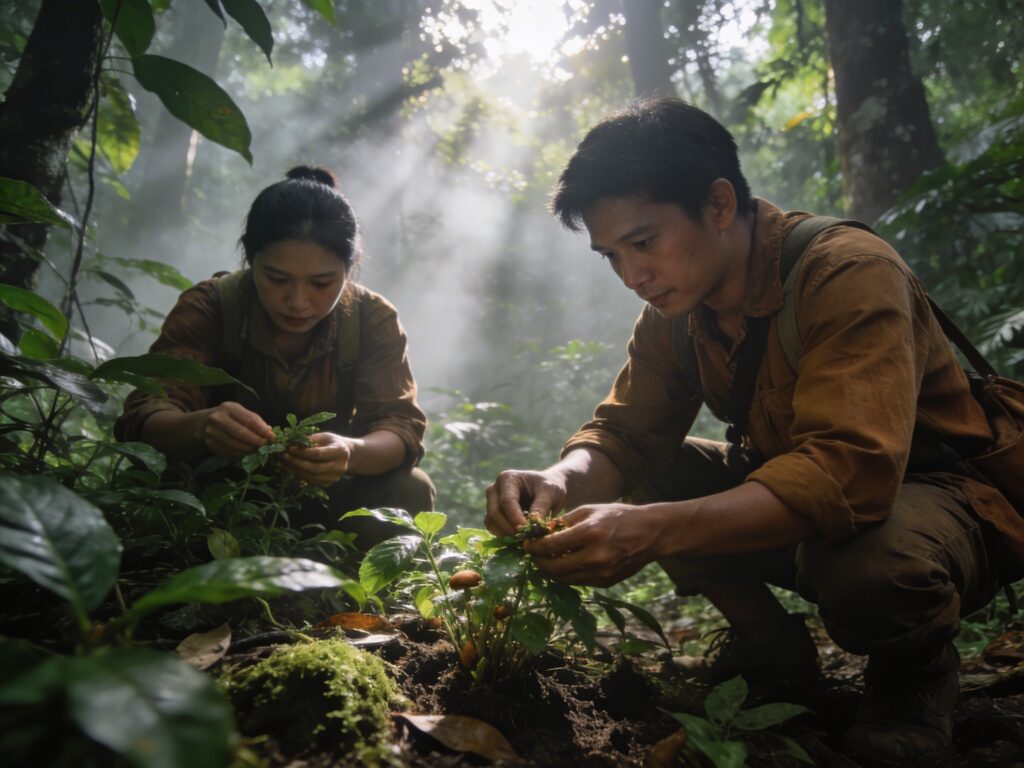
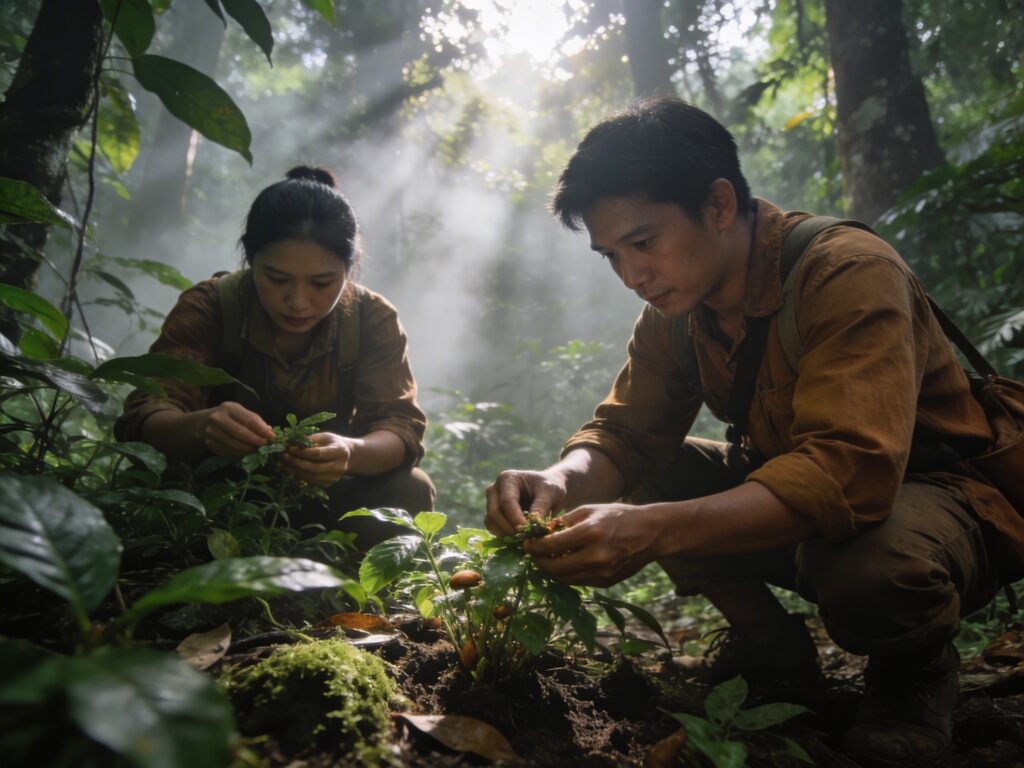
Before the tropical sun asserts its dominance, painting the sky in fiery hues, Kanchanaburi awakens under a veil of cool, ethereal mist. This is the sacred hour, the perfect moment to slip into the emerald embrace of its ancient jungles. It’s not just a walk; it’s an initiation into a world where the forest floor and canopy hold a secret pantry, a knowledge passed down through generations. Your guides? The masterful forest foragers – local experts whose eyes see sustenance where others see only wilderness.
The Masters of the Green Larder
Meeting your forager guide is meeting living wisdom. Often hailing from communities like the Karen or Mon, or local Thai villagers deeply connected to this land, their understanding of the jungle is intimate and profound. They move with a quiet grace, their senses finely tuned to the subtle signs of the forest. As the mist curls around giant dipterocarp trees and birdsong echoes through the canopy, they become your bridge to a hidden world. Their knowledge isn’t learned from books but earned through a lifetime of observation and tradition, knowing which plants nourish, which heal, and which to respectfully avoid.
A Sensory Feast: Discovering the Forest’s Bounty
Forget supermarket uniformity. Here, edibles come in a dazzling array of shapes, textures, and surprising flavours. Your forager will point out treasures often invisible to the untrained eye:
- Pak Wan Pa (Melientha suavis): Tender, nutty-flavored shoots, often the first exciting find, perfect stir-fried or in soups.
- Yam (Dioscorea spp.): Various wild yam species, their tubers a crucial starch source. Your guide will show you how to identify the edible varieties and explain traditional preparation methods.
- Luk Nam (Various Ferns): The young, tightly coiled fiddleheads of specific ferns, prized for their crisp texture and delicate flavour, commonly steamed or added to curries.
- Ma Kwaen (Zanthoxylum limonella): Known as “Jungle Pepper” or “Thai Sichuan Pepper,” its berries and leaves deliver a unique citrusy, tingling spice.
- Wild Betel Leaves (Piper spp.): Larger and more aromatic than cultivated varieties, used fresh as wraps or in salads.
- Mushrooms Galore: Season-dependent, but the jungle yields a fascinating variety (like the prized Hed Thob or Termitomyces). **Crucially, foraging mushrooms requires expert identification – never do this alone!**
- Wild Fruits & Flowers: Keep an eye out for tart starfruit, sweet rose apples (Chomphu), or the vibrant flowers of the Dok Salit (Antidesma spp.), sometimes used in salads.
Each discovery is accompanied by stories – how it’s traditionally cooked, its medicinal properties, or its role in local folklore. You learn to crush leaves for their scent, feel the texture of bark, and observe the plant’s context within the ecosystem.
More Than Food: A Lesson in Ecology and Respect
Tracking wild edibles isn’t just about harvesting; it’s a profound lesson in sustainability. True foragers embody the principle of “take only what you need.” They demonstrate selective harvesting techniques, ensuring the plant continues to thrive. You learn why certain leaves are picked while others are left to grow, why tubers are dug only at specific times, and why some patches are left untouched entirely. It’s a masterclass in living *with* the forest, not just taking *from* it. This deep respect underscores every step, transforming the experience from simple gathering into a ritual of gratitude.
Experiencing the Forage: How to Join the Journey
Ready to trade pavement for jungle paths? Several responsible tour operators in Kanchanaburi offer guided foraging experiences:
- Community-Based Tourism Projects: Seek out initiatives run by local villages (often Karen communities) around Sangklaburi or Thong Pha Phum. These offer the most authentic cultural immersion and directly support local livelihoods.
- Specialized Eco-Tours: Reputable eco-tour companies collaborate with experienced foragers, focusing on education and sustainable practices. Look for small group sizes.
- Jungle Resorts & Lodges: Some eco-lodges deep within Kanchanaburi’s forests offer foraging walks as part of their guest activities, led by their resident naturalists or local guides.
Essential Tips: Wear sturdy, closed-toe shoes and long pants. Bring insect repellent, a reusable water bottle, and a small bag for any samples (if permitted). Be prepared for humidity, uneven terrain, and sheer wonder. Most importantly, come with an open mind and deep respect for your guide and the environment.
The Taste of the Wild
The culmination of a misty morning’s forage is pure magic. Often, the experience includes a simple meal prepared using your finds – perhaps a fiery jungle curry bursting with Pak Wan and Ma Kwaen, a crisp fern salad, or wild yam steamed in banana leaves. Tasting these flavours, knowing they were gathered just hours before from the surrounding wilderness, connects you to the land and its people in a way no restaurant meal ever could. It’s the taste of Kanchanaburi’s ancient heart, a flavour of resilience, knowledge, and the incredible, edible jungle.