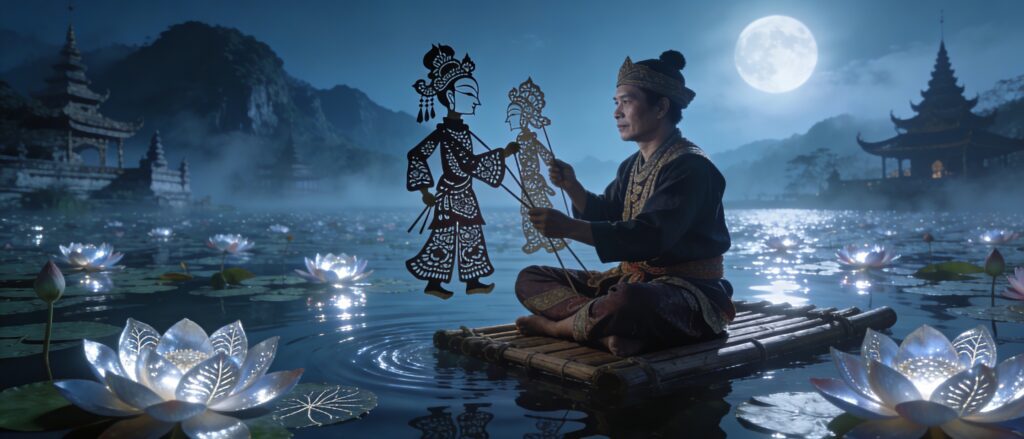
**Phatthalung’s Shadow Realm: Weaving Folklore Tales with Puppet Masters in the Lotus Lake Moonlight**
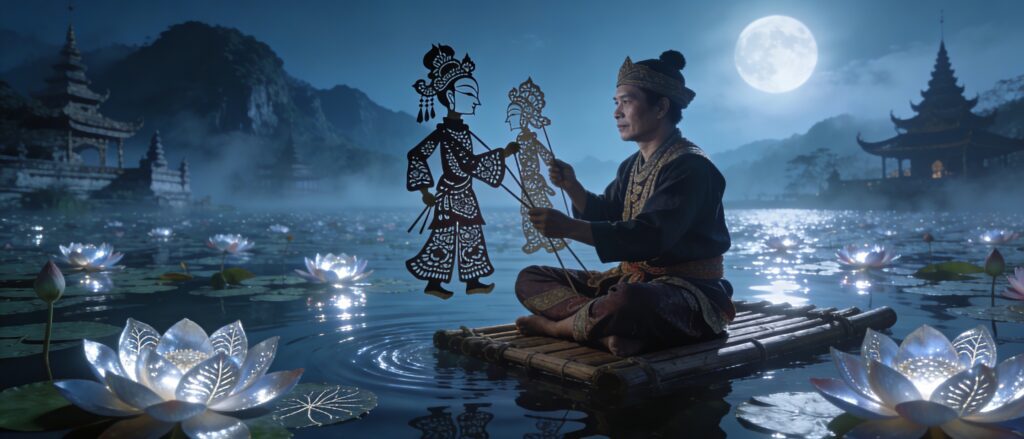
Beyond the Lotus: Where Shadows Dance on Phatthalung’s Moonlit Waters
Forget the well-trodden paths for a moment. Deep in Thailand’s south, where Phatthalung province cradles the ethereal Thale Noi Lotus Lake, a different kind of magic unfolds as dusk settles. Here, under the silver gaze of the moon, ancient stories stir not in books, but in the flickering interplay of light, hide, and masterful hands. Welcome to the captivating world of Nang Talung, where folklore isn’t merely told; it’s conjured from a realm of shadows.
Thale Noi: A Stage Set by Nature
Thale Noi itself feels like a place woven from myth. Vast carpets of pink lotus blossoms unfurl at dawn, giving way to shimmering waters reflecting the sky by day. But as twilight paints the sky in hues of orange and purple, the lake transforms. The air hums with insects, water birds settle, and the lotus pads seem to whisper. It’s against this primordial backdrop – especially during the bright moon phases – that the ancient art of Nang Talung shadow puppetry finds its most resonant home. The still water mirrors the flickering screen, doubling the enchantment, blurring the lines between reality and the shadow realm.
Nang Talung: More Than Puppets, Keepers of the Soul
Nang Talung is far more than simple entertainment. It’s a vital thread in Phatthalung’s cultural DNA, a UNESCO-recognized intangible cultural heritage. Crafted meticulously from perforated rawhide (traditionally buffalo or cow), these intricate puppets are characters imbued with life by the Nai Nang (puppet master). But the Nai Nang is no mere puppeteer; he is a shaman of stories, a vocal virtuoso, a comedian, a musician (often playing instruments like the pi oboe and klong drums himself), and the vital bridge between the human world and the rich tapestry of Thai folklore.
Weaving Folklore into the Fabric of Night
The stories brought to life in the glow of a coconut oil lamp (or modern bulb, though the traditional flame adds an irreplaceable mystique) are the very soul of the community. They delve deep into Thailand’s legendary past:
- The Epic Ramakien: Scenes from the Thai version of the Ramayana erupt onto the screen – the noble Phra Ram, the devoted Sida, the fierce monkey god Hanuman, and the demonic Thotsakan (Ravana) locked in eternal struggle between good and evil.
- Jataka Tales: Moral stories from the previous lives of the Buddha, teaching lessons of compassion, sacrifice, and wisdom through allegorical characters.
- Local Legends & Ghost Stories: This is where Phatthalung’s unique spirit truly shines. Tales whispered for generations around Thale Noi find form: mischievous forest spirits (Phi Pa), the ghostly, floating Krasue, the tragic tales of loves lost to the waters, or cautionary stories about respecting the powerful spirit of the lotus lake itself. The Nai Nang masterfully weaves local landmarks and beliefs into these narratives, making them deeply personal and resonant.
- Social Satire & Wit: Often featuring beloved comic characters like the bumbling Hun Lakorn Lek, Nang Talung isn’t afraid to poke fun at human foibles, local politics, and everyday absurdities, offering laughter alongside the lore.
The Ritual of Shadows: An Experience Under the Moon
Attending a Nang Talung performance by Thale Noi, especially on a moonlit night, is an immersion. The setup is simple yet profound: a taut white screen, a potent light source behind it, and the Nai Nang seated with his orchestra of puppets and instruments. As he begins, his voice transforms – deep growls for demons, high-pitched squeaks for heroines, rapid-fire banter for comedians. His hands fly, manipulating the rods attached to the puppets, making them duel, dance, weep, and laugh.
The shadows leap and dance on the screen, crisp yet ephemeral. The music swells and recedes, punctuating the drama. The audience, often seated on mats under the stars, gasps, laughs, and sighs collectively. You’re not just watching a play; you’re participating in a communal ritual where the boundaries between the tangible world of the lake and the intangible world of spirits and heroes dissolve into the shared space of imagination.
Seeking the Shadow Realm: A Traveler’s Encounter
Experiencing authentic Nang Talung in Phatthalung requires a bit of local insight:
- Timing is Key: Performances are often tied to temple festivals (wat fairs), local celebrations, or specific cultural events. Ask locally upon arrival. Full moon nights near Thale Noi are particularly atmospheric, though performances aren’t guaranteed solely by the moon phase.
- Thale Noi Vicinity: Villages around the lake, like Ban Pa Phayom or Ban Thale Noi, are strongholds of the tradition. Homestays or local guesthouses are your best bet for finding out about performances.
- Phatthalung Town: The Phatthalung Cultural Centre sometimes hosts performances or displays. Check their schedule.
- Respect the Craft: Arrive early, sit quietly, and immerse yourself. Support the artists if there’s a collection box – this art form relies on patronage.
Echoes in the Modern Moonlight
While modern entertainment looms, the Nang Talung masters of Phatthalung persist. They are custodians of a profound cultural legacy, breathing life into ancient tales and local lore night after night. To witness Nang Talung by the Lotus Lake under the moonlight is to step into a living storybook, a shadow realm where history, myth, community, and the haunting beauty of nature converge. It’s a reminder that some of the most powerful magic isn’t found in bright lights, but in the evocative dance of shadows and the timeless art of storytelling.
So, when you seek the soul of Southern Thailand, venture beyond the beaches. Find your way to Phatthalung’s lotus-covered waters as dusk falls. Listen for the rhythmic beat of the klong, watch for the flicker of light against a simple screen, and let the puppet masters guide you into the enchanting shadow realm of Thai folklore. It’s an experience that will linger long after the final puppet has been laid to rest.