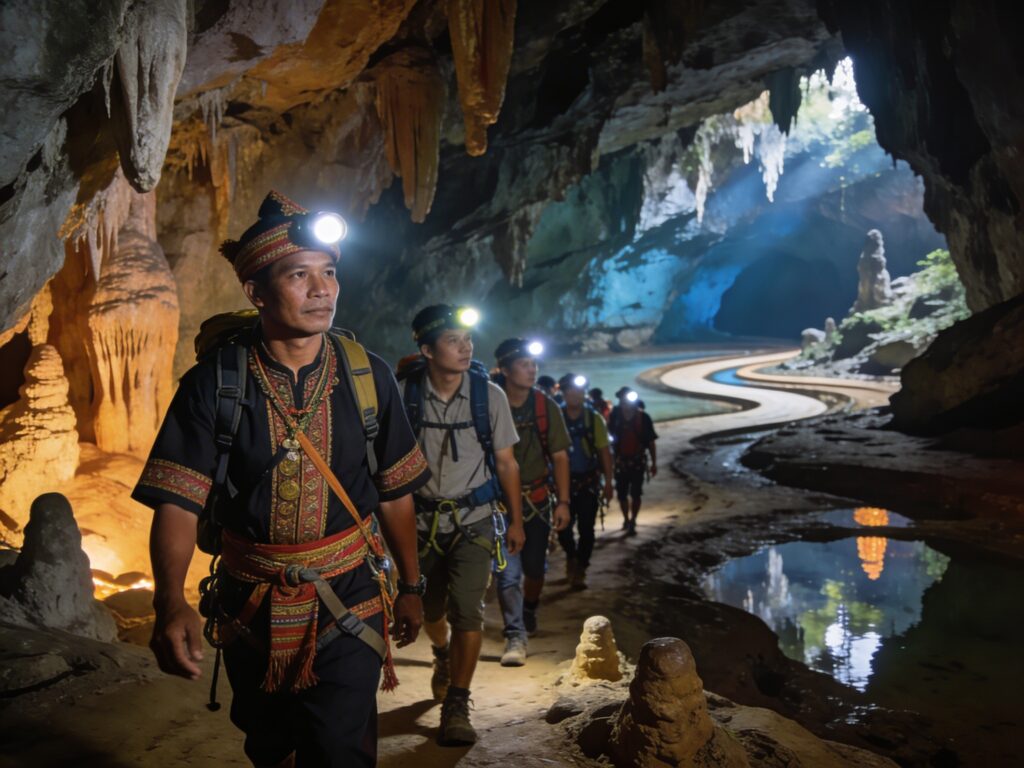
Satun’s Cave Chronicles: Speleology with Indigenous Guides in the UNESCO Geopark Labyrinths
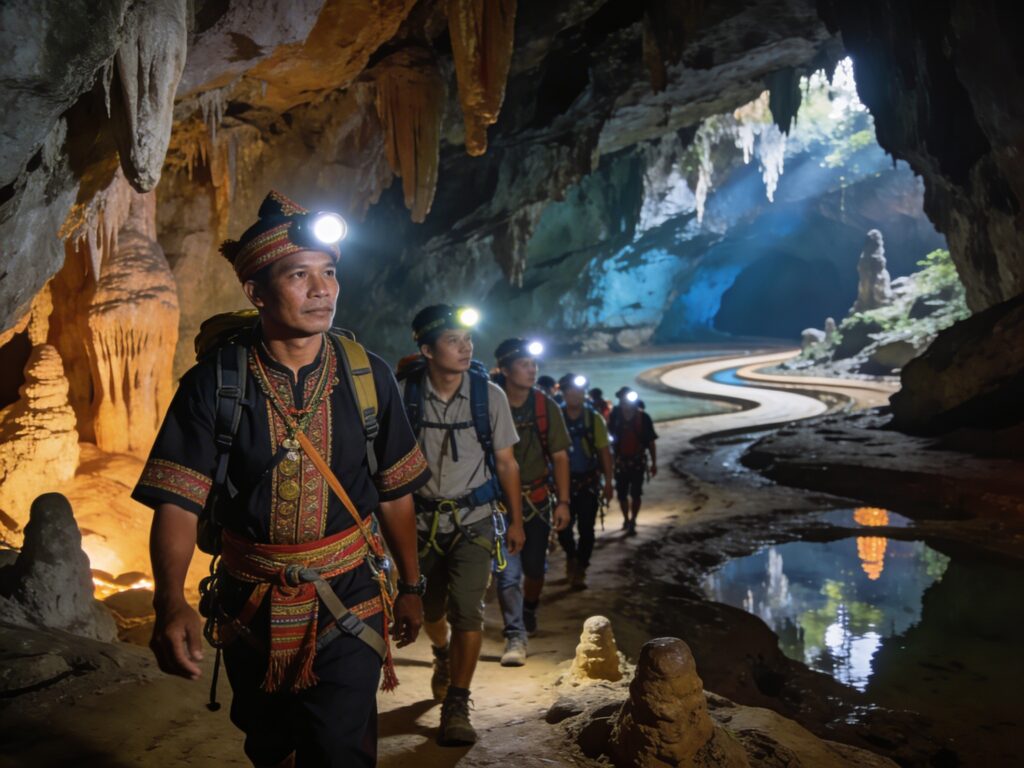
Beneath the Emerald Canopy: Descending into Satun’s Subterranean Wonders
Thailand’s southernmost province, Satun, whispers tales not just of idyllic islands and emerald seas, but of an ancient, hidden world beneath its verdant hills. Recognized as a UNESCO Global Geopark, Satun’s landscape is a masterpiece sculpted by time and water, resulting in one of Southeast Asia’s most spectacular and extensive karst limestone cave systems. This isn’t just sightseeing; it’s speleology – the exploration and study of caves – elevated to an art form by the profound knowledge of Satun’s indigenous communities.
The UNESCO Canvas: Satun Geopark’s Geological Grandeur
The Satun UNESCO Global Geopark is a living museum showcasing over 500 million years of Earth’s history. Its defining feature is the dramatic karst topography – towering limestone pinnacles, hidden sinkholes, and, most captivatingly, vast subterranean labyrinths. These caves weren’t formed overnight. Over millennia, slightly acidic rainwater seeped through cracks in the limestone, slowly dissolving the rock and carving out intricate passageways, cavernous chambers, and stunning formations. This complex geology provides the perfect stage for an unforgettable spelunking adventure.
Guardians of the Depths: The Invaluable Role of Indigenous Guides
Exploring Satun’s caves transcends typical tourism. It’s a journey guided by wisdom passed down through generations. The indigenous communities of Satun, particularly the Maniq people (often referred to as Sakai or Chao Leh in broader contexts, though respecting specific group names is crucial) and local Malay communities, possess an intimate, unparalleled understanding of these subterranean realms.
Why are they indispensable?
- Ancient Knowledge: Their oral histories and traditional ecological knowledge encompass safe passage routes, seasonal water levels, hidden chambers, and the location of significant archaeological sites inaccessible to maps.
- Cultural Interpretation: They are the storytellers, weaving narratives that connect the cave formations, ancient paintings, and discovered artifacts to their cultural heritage and ancestral beliefs, transforming geological features into cultural landmarks.
- Safety & Navigation: Navigating the complex, often dark and wet cave systems requires expertise. Indigenous guides possess an innate sense of direction within the labyrinths and understand potential hazards intimately.
- Conservation Stewards: They are deeply invested in preserving the fragile cave ecosystems and cultural sites, ensuring visitors follow ethical practices that minimize impact.
Choosing a tour led by these local experts isn’t just a choice for authenticity; it’s a direct contribution to community empowerment and the preservation of irreplaceable cultural heritage.
Chronicles in Stone: Exploring Satun’s Cave Highlights
Satun’s Geopark offers numerous cave systems, each with its own character. Venturing in with indigenous guides unlocks layers of meaning:
- Tham Phet – Tham Neram (Diamond Cave – Black Cave) Complex: Perhaps the crown jewel. This interconnected system near Thung Wa is astounding. Witness the “Diamond Wall” glittering with calcite crystals, marvel at colossal stalactites and stalagmites, and, most profoundly, encounter prehistoric cave paintings depicting human figures and animals, estimated to be thousands of years old. Your guide will illuminate the significance and the stories these ancient artists might have told.
- Tham Le Stegodon (Stegodon Cave): Named after the fossilized remains of ancient elephants found within, this cave near Khuan Don offers dramatic chambers and impressive formations. Guides point out fossil beds and explain the paleontological significance embedded in the very rock.
- Tham Jaha (Jaha Cave): Known for its stunning underground river passage. Canoeing or walking along its serene waters, illuminated by shafts of sunlight or headlamps reflecting off the water, is an ethereal experience. Guides share knowledge about the unique aquatic cave life.
- Tham Chet Khot (Seven-Storey Cave): As the name suggests, this cave near La-ngu features multiple levels connected by passages, offering varied landscapes and formations. The ascent and descent, aided by ropes and ladders (with guide support), add to the adventure.
Preparing for Your Subterranean Voyage
Exploring Satun’s caves is adventurous and requires preparation:
- Choose Ethically: Book tours through reputable operators who explicitly partner with and fairly compensate indigenous communities. Inquire about their conservation practices.
- Physical Fitness: Trips involve walking on uneven, often slippery surfaces, climbing, crawling, and sometimes wading through water. A moderate level of fitness is essential.
- Gear Up: Wear sturdy, closed-toe shoes with excellent grip (water shoes or hiking boots are ideal). Lightweight, quick-dry clothing is best. Bring a change of clothes. Headlamps are usually provided, but a small backup light is wise.
- Respect & Sensitivity: Follow your guide’s instructions meticulously. Never touch cave formations (oils from skin halt growth) or disturb artifacts/art. Be mindful of cultural sensitivities and ask permission before taking photos of guides or community members.
- Expect the Elements: Caves are cool, damp, and muddy. Embrace it as part of the adventure!
More Than an Adventure: A Legacy of Stone and Story
Speleology in Satun with indigenous guides is far more than an adrenaline rush or a geological field trip. It’s a profound cultural immersion. It’s hearing ancient echoes in cavernous halls, seeing prehistoric art through the eyes of descendants, and understanding the deep, spiritual connection between a people and their land – a connection forged in the cool, silent darkness over countless generations.
As you emerge back into the lush Satun sunlight, blinking at the vibrant green, you carry not just memories of stunning natural beauty, but a deeper chronicle – a story of time etched in stone and carried in the hearts of the people who know these labyrinths as home. It’s an experience that resonates long after the mud has washed away.